

Conditions
- Rotator Cuff Tear
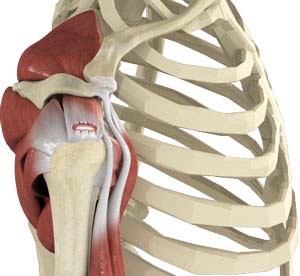
A rotator cuff is a group of tendons in the shoulder joint that provides support and enables a wide range of motion.
Know More Launch Movie - Shoulder Pain
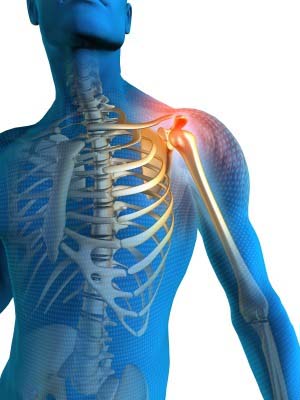
Pain in the shoulder may suggest an injury, which is more common in athletes participating in sports such as swimming, tennis, pitching, and weightlifting.
Know More Launch Movie - Subluxation
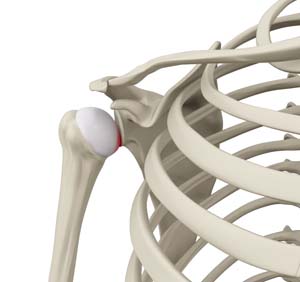
A partial dislocation of the shoulder joint is termed as a subluxation. This means the ball has partially moved out of the glenoid as opposed to a dislocation, where the ball completely moves out of the glenoid.
Know More - Shoulder Impingement
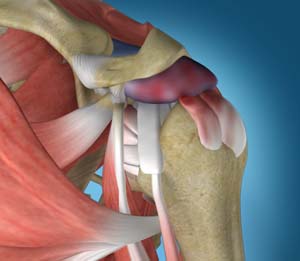
Shoulder impingement is the inflammation of the tendons of the shoulder joint. It is one of the most common causes of pain in the shoulder. Shoulder impingement is also called swimmer’s shoulder, tennis shoulder or rotator cuff tendinitis.
Know More - SLAP Tears
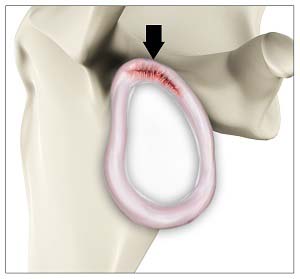
The term SLAP (superior –labrum anterior-posterior) lesion or SLAP tear refers to an injury of the superior labrum of the shoulder.
Know More - Arthritis of the Shoulder
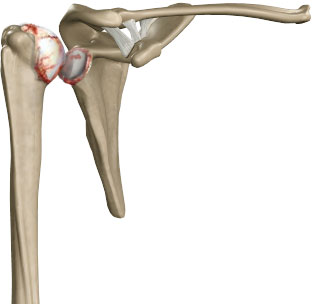
The term arthritis literally means inflammation of a joint but is generally used to describe any condition in which there is damage to the cartilage.
Know More - Frozen Shoulder
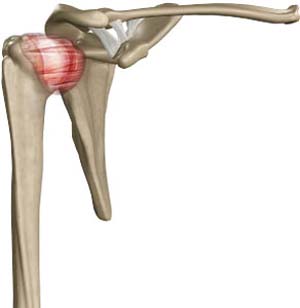
Frozen shoulder, also called adhesive capsulitis, is a condition characterized by pain and loss of motion in the shoulder joint. It is more common in older adults aged between 40 and 60 years and is more common in women than men.
Know More Launch Movie - Shoulder Instability
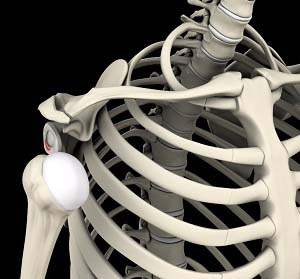
Shoulder instability is a chronic condition that causes frequent dislocation of the shoulder joint.
Know More Launch Movie - Shoulder Labral Tear
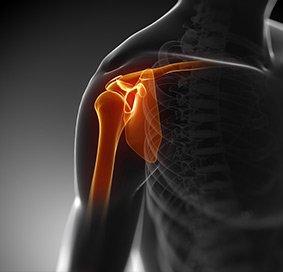
Traumatic injury to the shoulder or overuse of the shoulder (throwing, weightlifting) may cause the labrum to tear. In addition, aging may weaken the labrum leading to injury.
Know More - Shoulder Dislocation
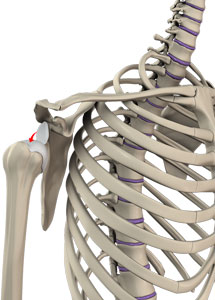
Sports that involve overhead movements and repeated use of the shoulder at your workplace may lead to sliding of the upper arm bone from the glenoid. The dislocation might be a partial dislocation (subluxation) or a complete dislocation causing pain and shoulder joint instability.
Know More - Little League Shoulder
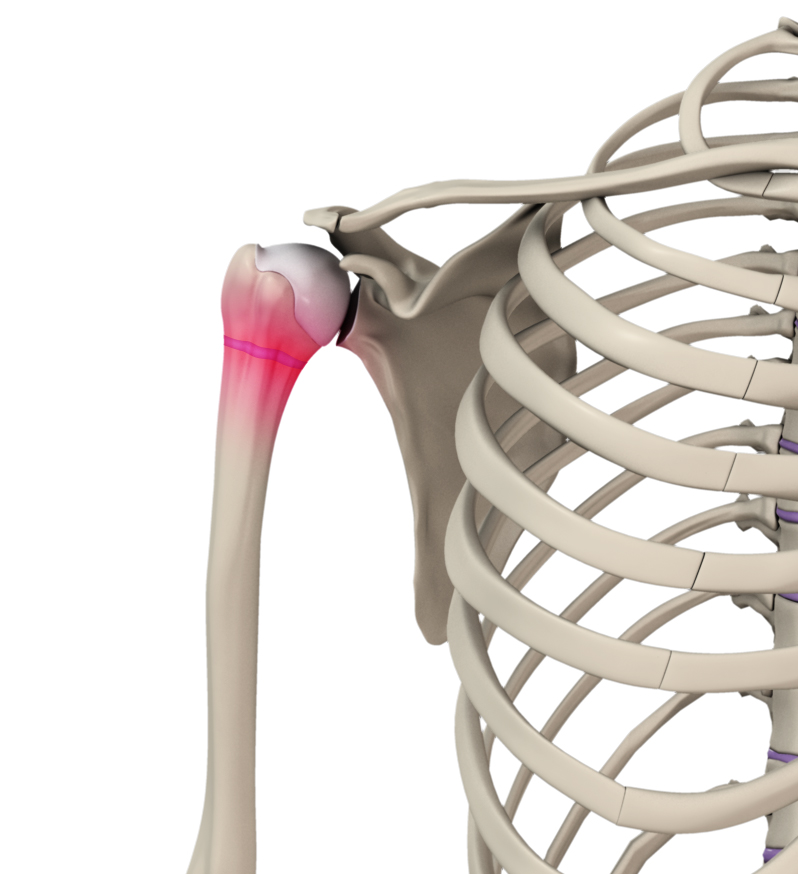
Little league shoulder is an injury to the growth plate of the upper arm bone at the shoulder joint of children. It is an overuse injury caused by repeated pitching or throwing, especially in children between the ages of 10 to 15 years.
Know More - Shoulder Fracture
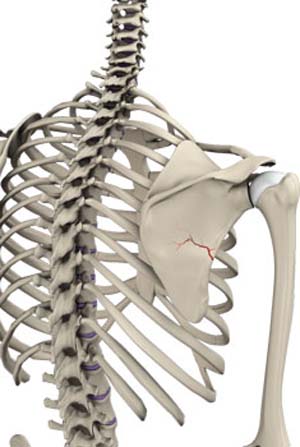
A break in a bone that makes up the shoulder joint is called a shoulder fracture.
Know More - Shoulder Trauma
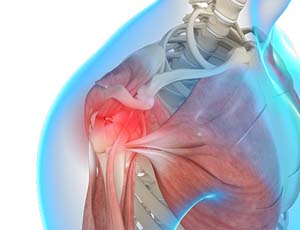
Shoulder injuries most commonly occur in athletes participating in sports such as swimming, tennis, pitching, and weightlifting. The injuries are caused due to the over usage or repetitive motion of the arms.
Know More - Clavicle Fracture
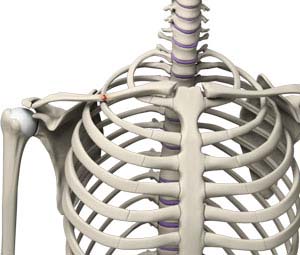
The break or fracture of the clavicle (collarbone) is a common sports injury associated with contact sports such as football and martial arts, as well as impact sports such as motor racing.
Know More Launch Movie - Glenoid Fractures
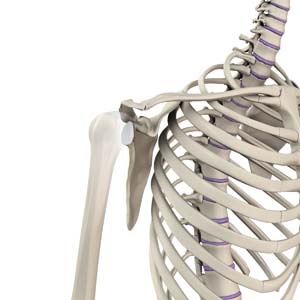
Fractures of the glenoid are rare but can occur due to major trauma or during high-energy sports activities.
Know More - Proximal Humerus Fractures
Fractures of the proximal humerus are common in elderly individuals suffering from osteoporosis. In younger individuals, a severe trauma such as a fall from a height on an outstretched hand or motor vehicle accident can cause these fractures.
Know More - Baseball and Shoulder Injuries
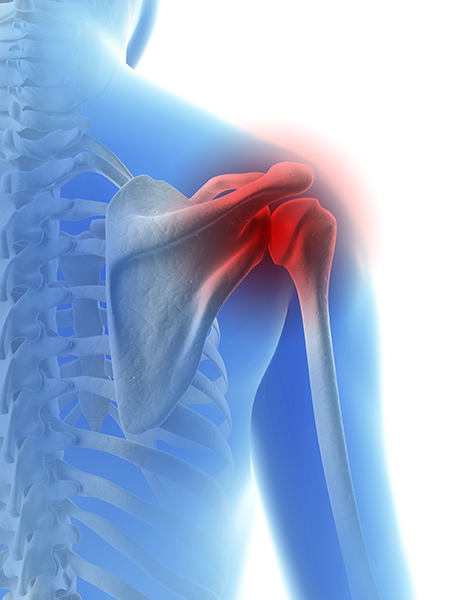
Shoulder injuries in baseball players are usually associated with pitching. While this overhand throwing activity can produce great speed and distance for the ball, when performed repeatedly, can place a lot of stress on the shoulder.
Know More - Sternoclavicular Joint (SC joint)
The sternoclavicular joint is the joint between the breastbone (sternum) and the collar bone (clavicle). The SC joint is one of the 4 joints that complete the shoulder and is the only joint that links the arm to the body.
Know More - Internal Impingement of the Shoulder
Internal shoulder impingement can be described as a pathological condition resulting from repetitive impingement of the internal surface of the rotator cuff by the bones at the back of the glenohumeral joint.
Know More - Treatment of Throwing Injuries of the Shoulder
Throwing injuries of the shoulder are injuries sustained as a result of trauma by athletes during sports activities that involve repetitive overhand motions of the arm as in baseball, American football, volleyball, rugby, tennis, track and field events, etc.
Know More - Acromioclavicular (AC) Arthritis
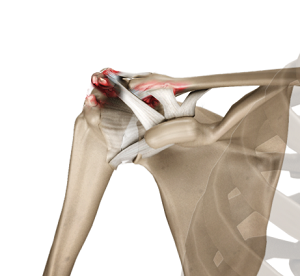
The acromioclavicular joint is part of the shoulder joint. It is formed by the union of the acromion, a bony process of the shoulder blade, and the outer end of the collar bone or clavicle.
Know More - Shoulder Labral Tear with Instability
Shoulder instability results when the humeral head is not held firmly within the glenoid cavity and may lead to a dislocation. Tearing, stretching or peeling of the labrum can result in shoulder instability. It can also occur with defects of the shoulder capsule and ligaments.
Know More - Proximal Biceps Tendon Rupture
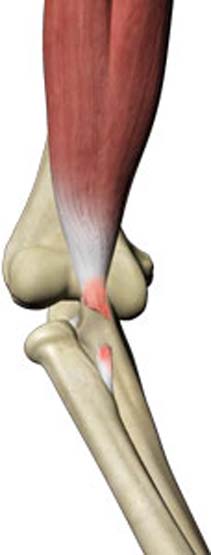
The biceps muscle is the muscle of the upper arm which is necessary for the movement of the shoulder and elbow.
Know More - Long Head Biceps Tendon Rupture
Your biceps muscle has two heads, a long head, and a short head, which are both attached to the shoulder. The long head of the biceps tendon is a tough band of connective fibrous tissue that attaches the long head of the biceps to the top of the shoulder socket.
Know More - Multidirectional Instability of the Shoulder
Instability may be described by the direction in which the humerus is subluxated or dislocated from the glenoid. When it occurs in several directions it is referred to as multidirectional instability.
Know More - Massive Retracted Rotator Cuff Tear
A tear in the rotator cuff can cause pain and disability. It can occur from degeneration of the rotator cuff due to overuse or from a sudden injury. Massive rotator cuff tears involve tears in two complete tendons of the rotator cuff. A tear of more than 5 cm is described as massive.
Know More - Hill-Sachs Lesion
Your shoulder consists of a ‘ball-and-socket joint’. The humerus (upper arm bone) has a rounded head (ball) that is attached to the glenoid cavity (socket) in the shoulder blade. Certain injuries can cause dislocation of the joint and damage to the humeral head. Damage to the back and outer portion of the humeral head can result in a defect called a Hill-Sachs lesion.
Know More - Rotator Cuff Pain
Rotator cuff pain may be caused due to age-related wear and tear of the rotator cuff tendons in the shoulder, repeated overhead arm movements as performed during manual labor, sports activities such as pitching during baseball or playing racket sports and trauma such as accidents, direct blows to the shoulder, or falling on the shoulder.
Know More - Periprosthetic Shoulder Infection
A periprosthetic shoulder joint infection is a very rare, but devastating complication of shoulder replacement surgery characterized by infection of the tissues surrounding your shoulder prosthesis.
Know More - Periprosthetic Shoulder Fracture
A periprosthetic shoulder fracture is a fracture that occurs in the bone adjacent to a shoulder prosthesis.
Know More